Refrigerator · Not cooling
Ice Melting and Refreezing in the Bin: When the Freezer Is the Real Problem
Updated
Ice that arrives in the bin correctly formed and then slumps into a solid clump, or cubes that come out visibly shrunken and rounded, is not an ice maker fault. It is the freezer telling you it cannot hold temperature — the ice is melting between cycles and refreezing as a mass.
Replacing the ice maker here changes nothing. The question worth answering is why the compartment is warming up.
Before you open anything: unplug the refrigerator and close the water shut-off valve behind it or under the sink. An ice maker circuit carries mains voltage and a live water line, and a fill valve that opens while the unit is apart will empty onto the floor.
Confirm it before you chase it
Put a thermometer in the freezer, mid-shelf, not touching a wall, and read it after several hours with the door kept shut. Anything much above 0°F (−18°C) confirms the compartment is the problem. Do not judge by the display panel — the panel reports the setpoint the control is aiming for, not the temperature actually in the box.
Where the heat is coming from
1. Dirty condenser coils. The single most common cause, and the cheapest to fix. Coils packed with dust and pet hair cannot shed heat, so the compressor runs longer and longer and eventually stops keeping up. On most units the coils are behind a kick plate at the bottom front or a panel at the back. Unplug, vacuum, brush, vacuum again. Homes with shedding pets need this two or three times a year.
2. A failing door seal. Warm humid air leaking in continuously is both a cooling load and a frost source. Check the gasket all the way around for tears, flattened sections, and corners that no longer make contact. The paper test works: close the door on a sheet of paper, pull it out, and note where it comes free with no drag.
3. A defrost system failure. Every frost-free freezer periodically heats its evaporator coil to melt accumulated frost. When the defrost heater, thermostat, or the control timing fails, that coil ices over completely, air can no longer pass through it, and the compartment warms even though the compressor is running constantly. The signature is a thick sheet of frost on the back panel of the freezer along with a warming compartment.
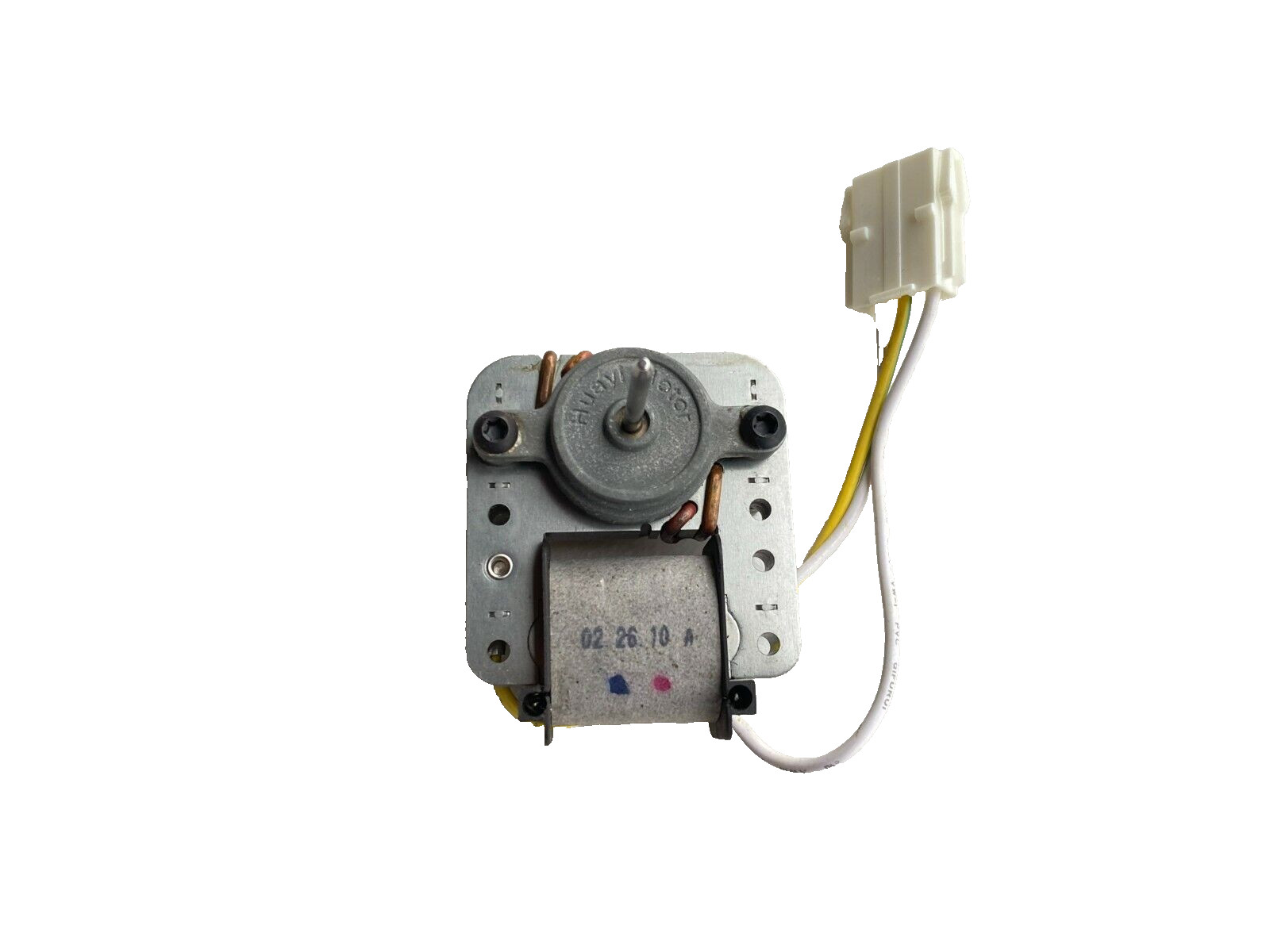
4. A dead evaporator fan. That fan moves air across the coil and into the compartment. If it has failed, you get cold at the coil and warm everywhere else. Listen at the freezer with the door switch held in — silence where you expect a fan is diagnostic.
5. Overloading or blocked vents. Boxes packed against the return vents stop circulation. The ice bin sits directly in that airflow on many models, so it is often the first place a circulation problem shows.
When to stop and call someone
If the coils are clean, the seal is good, the fans run, the defrost system works, and the compartment still will not come down to temperature, you are likely looking at a sealed-system fault — a refrigerant leak or a failing compressor. That work requires recovery equipment and EPA certification to perform legally, and on an older refrigerator the repair cost frequently exceeds what the unit is worth. Get a quote before committing to parts.
What to fix first
Coils, then seal, then defrost, then fans. That is cheapest-to-most-involved, and it is also roughly most-to-least likely.
Before you order the part
Ice maker components are model-specific, and manufacturers change them mid-production — two refrigerators that look identical from the outside can take different assemblies. The model plate is your only reliable source. On most refrigerators it is on the inside wall of the fresh-food compartment, near the crisper drawers.
Ask us before you install. Send us the full model number and we will confirm fit before you buy — that is what our fit check is for, and it costs you nothing. Once a part has been installed we can only take it back if it arrived defective, we shipped the wrong item, or the listing was wrong on our end, and it has to come back in the condition it went out in. Checking first is faster than returning.